Pillar 01
Education
Active · Live programmes
Our most established pillar — strengthening the institutions that shape Karnataka's next generation. We co-deliver faculty development, embed applied learning in undergraduate curricula, and bring government school students into formal AI and innovation engagements. Every programme is co-governed with a partner institution.
Programme 01 · Education
Faculty Development
Hands-On Faculty Development Programmes
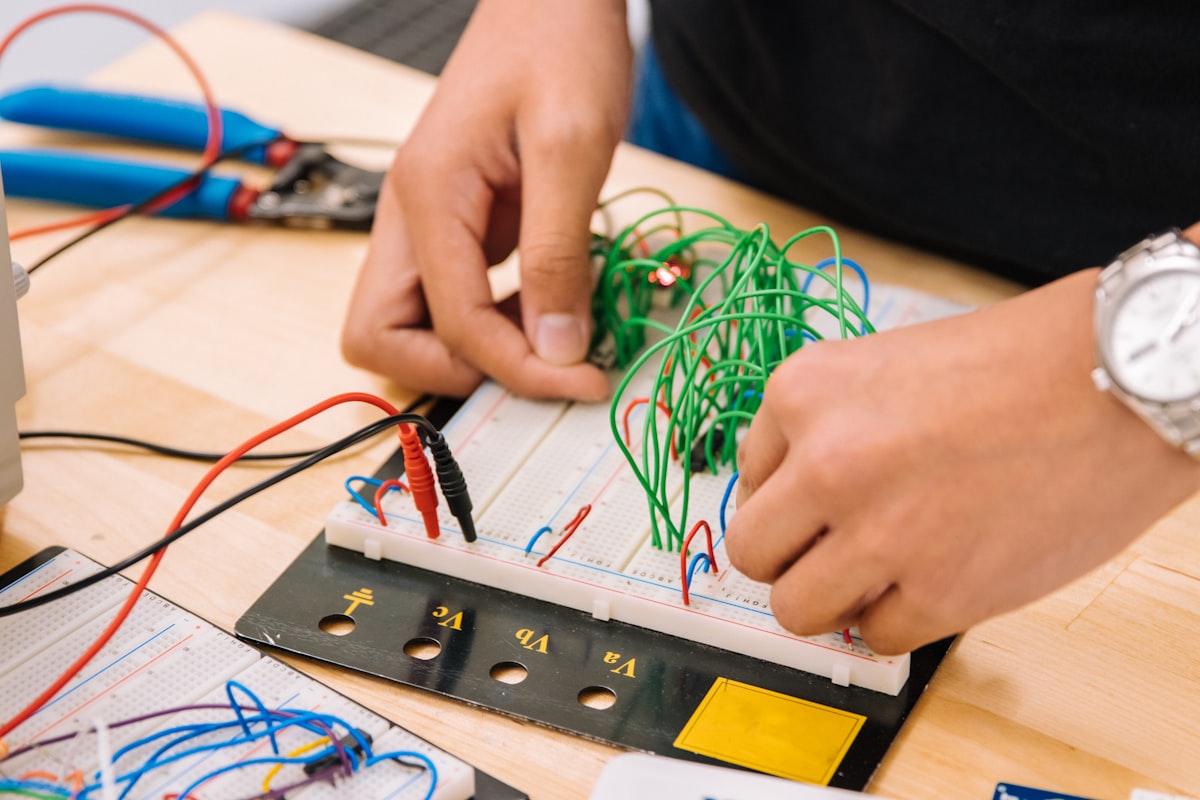
Intensive, lab-based FDPs that bring engineering faculty up to speed on the tools industry actually uses — AI/ML and MLOps, data engineering, embedded systems, and cloud deployment. Co-delivered with industry partners, every cohort works through real build exercises and leaves with a working project rather than a stack of slides.
- Co-delivered with Industry & technology partners
- Format 3–5 day intensive, on-campus, lab-based
- Outcome Working project + joint certification
- Audience CS & allied engineering faculty
Programme 02 · Education
Student Programmes
Student Innovation & Employability Track
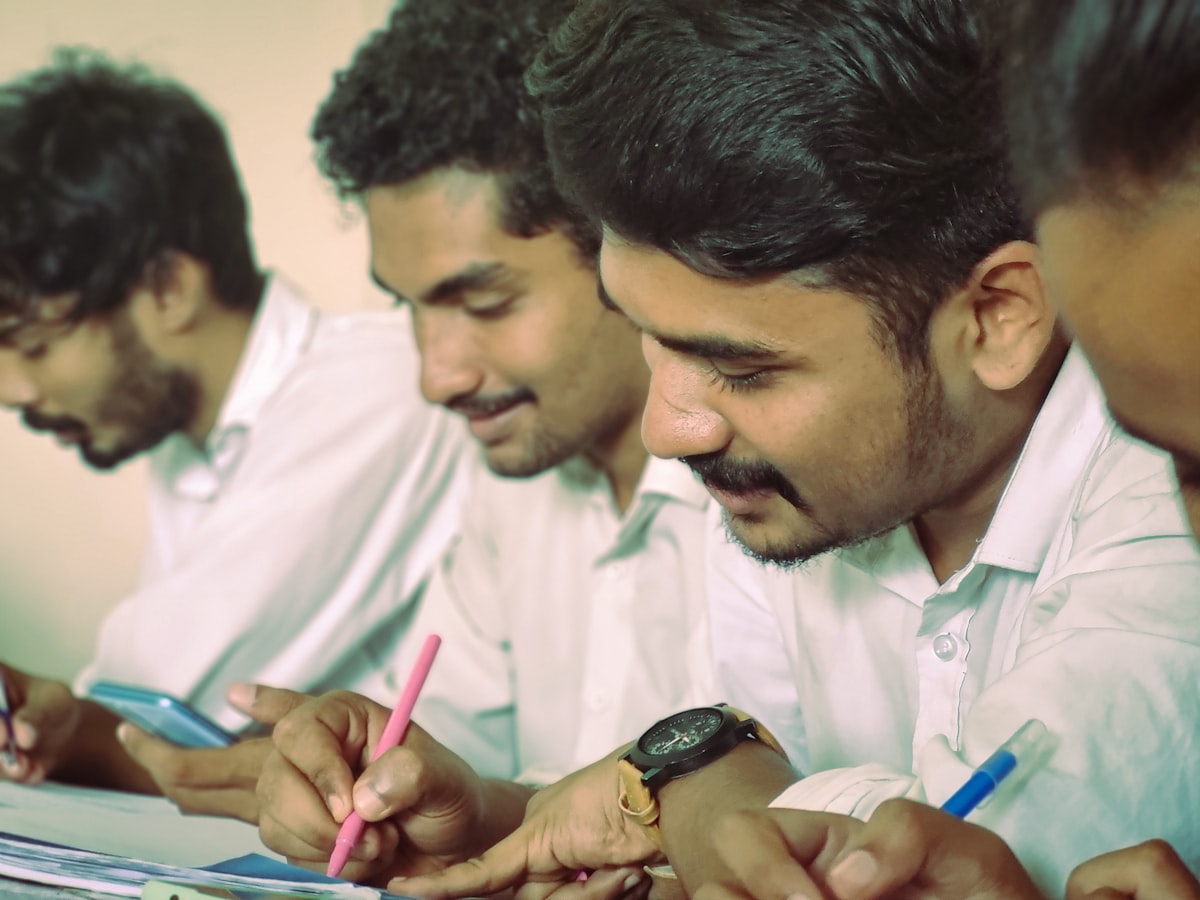
A structured track that closes the gap between the syllabus and the workplace — combining design-thinking and innovation modules, mentored project work, and internship-readiness support, so students graduate with a real portfolio and the practical skills employers look for.
- Duration One academic semester
- Format Workshops + mentored capstone + internship readiness
- Outcome Project portfolio + certification
- Audience Engineering students (any branch)
Programme 03 · Education
Social Impact through Education
Government School STEM & AI Outreach
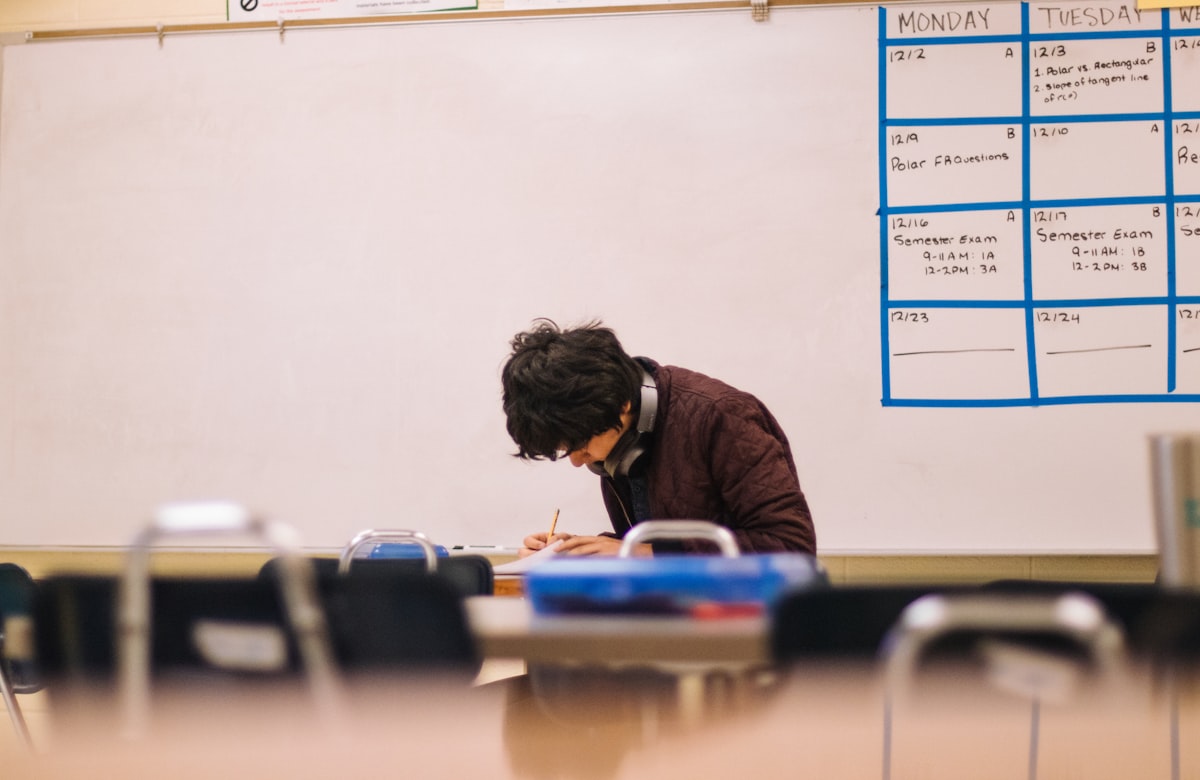
Bringing applied STEM and AI within reach of government school students — through in-school sessions and a district-level hackathon co-designed with the district administration and DDPI, Belagavi. Prize money is held as a Fixed Deposit in each winner’s name, locked until age 18 and withdrawable only for education.
- Co-designed with District administration · DDPI Belagavi
- Audience Government school students
- Prize structure FDs locked till age 18, education only
- Goal Convert recognition into long-term opportunity
Pillar 02
Health
In design · Launching 2026–27
Our health work begins where most fail — at the primary level. We are designing programmes in partnership with rural primary health centres, ASHA workers, and government hospital networks to support the everyday medical access that determines long-term wellbeing. Our first three programmes focus on maternal & newborn care, preventive screening, and primary-centre strengthening — chosen because each is a force multiplier on the others.
Programme 01 · Health
Maternal & Newborn Care
Maternal, Newborn & Child Health Outreach
A community-led programme working alongside ASHA workers and Anganwadi staff to strengthen the continuum of care from antenatal visits to the child's second birthday — the window in which the most preventable deaths occur and the most lasting cognitive gains are formed.
Drawing on globally proven models from organisations such as the Bill & Melinda Gates Foundation's maternal and child health initiatives, the programme combines structured ASHA training, antenatal screening for high-risk pregnancies, in-village postnatal visits, immunisation tracking, and nutrition counselling for under-twos.
- Co-design partners District Health Office · ASHA federations · Anganwadi networks
- Geography Two blocks in rural Belagavi, expanding to three districts by year three
- Approach Strengthen frontline cadres rather than build parallel services
- Key indicators Antenatal coverage · institutional delivery · immunisation completion · under-2 nutrition
Programme 02 · Health
Preventive Screening
School Health Screening & Referral
A quarterly school-health programme delivered at government schools, screening for the conditions that quietly determine educational outcomes — anaemia, vision and hearing impairment, dental issues, and growth-stunting — and operating a structured referral pathway to government facilities where deeper care is required.
The model is inspired by national School Health programmes and the operational rigour of foundations such as Infosys Foundation, which has built durable rural healthcare delivery on the principle that screening is only useful when it is paired with a credible referral pathway.
- Co-design partners DDPI Belagavi · District Hospital · clinical NGO partners
- Audience Government school students, classes 1–10
- Cadence Quarterly screening · monthly follow-up for flagged cases
- Outcome focus Closure rate of identified cases, not screening volume

Programme 03 · Health
Primary Health Centre Strengthening
Primary Health Centre Strengthening
A targeted programme to strengthen a small number of carefully selected Primary Health Centres in rural Belagavi — focusing on the operational basics that determine whether a PHC functions: reliable diagnostics, frontline-staff training, patient-record continuity, and a clear referral pathway to district facilities.
The approach borrows from infrastructure-led models pioneered by Infosys Foundation in rural healthcare, and from primary-care strengthening principles emphasised by the Gates Foundation — combining tangible upgrades with the operational discipline that makes them durable.
- Co-design partners District Health Office · selected PHC medical officers
- Scope Three PHCs in year one · expanding by district readiness, not headcount targets
- Focus areas Diagnostic equipment · staff training · digital records · referral protocols
- Sustained by Annual review with the District Health Office and the partner PHC
Status: All three Health programmes are in active design with prospective partners. We will not launch until co-design, governance, and reporting structures are finalised with district health authorities and clinical partners. If your organisation operates in this space and would like to collaborate, please write to us.
Pillar 03
Women Empowerment
In design · Launching 2026–27
Lasting change in a household, a village, or a district is most reliably driven by women with their own income, their own networks, and their own confidence. Our women empowerment programmes are designed to work with existing self-help groups and government Stree Shakti structures — not parallel to them — and to combine livelihood, financial inclusion, and educational opportunity as a single connected pathway.
Programme 01 · Women Empowerment
Livelihood & Skills
SHG Skill & Livelihood Cohorts
A six-month vocational cohort run in partnership with existing self-help group federations — covering high-demand skills such as tailoring, food processing, digital literacy, and supply-chain access to local markets. Each cohort closes with a structured market-linkage phase, not just a certificate.
The model draws on the women's economic empowerment framework adopted by the Bill & Melinda Gates Foundation — that the path out of poverty for rural women runs through earning, owning, and deciding — and on the practical SHG strengthening work championed by Infosys Foundation across rural India.
- Co-design partners NRLM-affiliated SHG federations · Stree Shakti groups · district banking correspondents
- Cohort size 25–35 women per cohort, 4 cohorts per district per year
- Outcome focus Sustained monthly income, not certificates issued
- Pathway Skill training → market linkage → working capital introduction
Programme 02 · Women Empowerment
Financial Inclusion
Financial Literacy & Entrepreneurship
Structured workshops on credit, formal banking, digital payments, insurance, and the operational basics of running a small enterprise — delivered in Kannada, in the woman's village, in partnership with district banking correspondents and the local SHG federation.
Financial inclusion is repeatedly the highest-leverage intervention in women's empowerment programmes globally. We adapt the curricular structure used by foundations such as Gates and the National Rural Livelihoods Mission, and pair it with a peer-led delivery model so that women learn from women in their own community.
- Format 12 weekly sessions of 90 minutes each, delivered in Kannada
- Curriculum Credit · savings · digital payments · insurance · small-business basics
- Co-delivered with District banking correspondents · NABARD-trained trainers
- Follow-on Direct enrolment in formal savings & credit products at session close
Programme 03 · Women Empowerment
Education Pathway
Women in STEM Scholarships
Direct-to-college scholarships for first-generation women students entering engineering, applied science, and computing streams in Karnataka — paired with structured mentorship from women already working in industry. We pay the institution directly and stay engaged for the full four years.
The intersection of our Education and Women Empowerment pillars: an evidence-based bet that the highest-return intervention for a first-generation woman engineer is not just tuition support but a sustained, four-year relationship that keeps her in the system.
- Co-delivered with Partner engineering institutions · industry mentor network
- Coverage Tuition, hostel, examination fees, and a study stipend
- Duration Four years, conditional on annual academic progression
- Selection Merit-cum-need · prioritising first-generation college-goers
Status: All three Women Empowerment programmes are in active design. We are identifying SHG federations and women-led NGOs already doing rigorous work in this space, with the view of co-funding and co-delivering rather than running parallel programmes.
Pillar 04
Clean Water
In design · Launching 2026–27
Access to clean drinking water is the single intervention that most reliably reduces school absenteeism, child mortality, and the unpaid hours women spend on water collection. Our clean water programmes are designed to be durable — combining infrastructure with a maintenance contract, a water-quality monitoring routine, and partnership with the Jal Jeevan Mission and gram panchayats.
Programme 01 · Clean Water
School Drinking Water
School Drinking Water Stations
Filtration units installed at government schools, with a multi-year maintenance contract and quarterly third-party water-quality testing baked into the agreement. We do not consider a station installed until the maintenance and reporting cycle has run for one full year.
The model is informed by the Gates Foundation's broader thesis on water, sanitation and hygiene — that infrastructure without operations is a one-time press release, not a durable change — and by Infosys Foundation's discipline in committing to multi-year operational obligations at every site they touch.
- Co-design partners DDPI Belagavi · gram panchayats · accredited filtration suppliers
- Scope 15 government schools in year one, scaled by sustained-operations record
- Built into the agreement 5-year maintenance contract · quarterly testing · public reporting
- Hand-off Asset transferred to the school SDMC, with funded service contract
Programme 03 · Clean Water
Quality Monitoring
Water Quality Monitoring & Reporting
A district-level water-quality monitoring routine at all our intervention sites and a sample of unaddressed control sites — with quarterly results published back to the community, the gram panchayat, and the district administration. Measurement is the discipline that turns one-time installations into durable change.
Transparent, independent monitoring is a structural commitment shared by both reference foundations: that the credibility of community-facing work depends on the credibility of how it is measured. Our reporting follows the BIS 10500 drinking-water standard, with results posted in plain Kannada at the village level.
- Tested for Microbial · TDS · fluoride · arsenic · iron · nitrate
- Cadence Quarterly · with publicly-posted results at the village level
- Co-delivered with Accredited testing laboratories · ZP Health office
- Public dashboard Site-by-site quality results updated each quarter, in Kannada
Status: All three Clean Water programmes are in active design. We are studying the Jal Jeevan Mission framework and identifying technology partners and gram panchayats where intervention can be coordinated with — rather than duplicate — government schemes already in motion.